
frosted glass divider
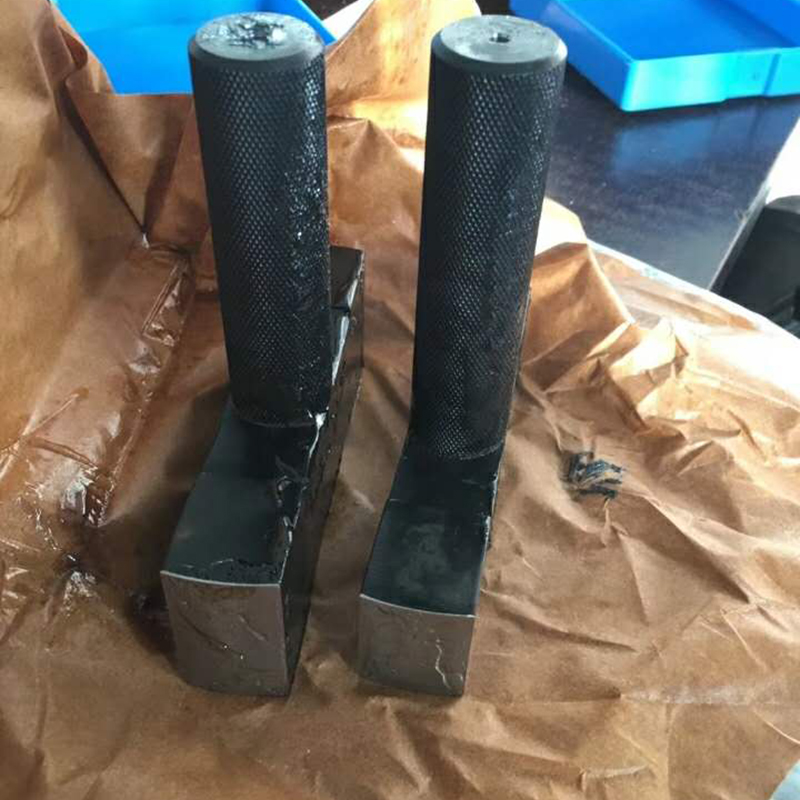
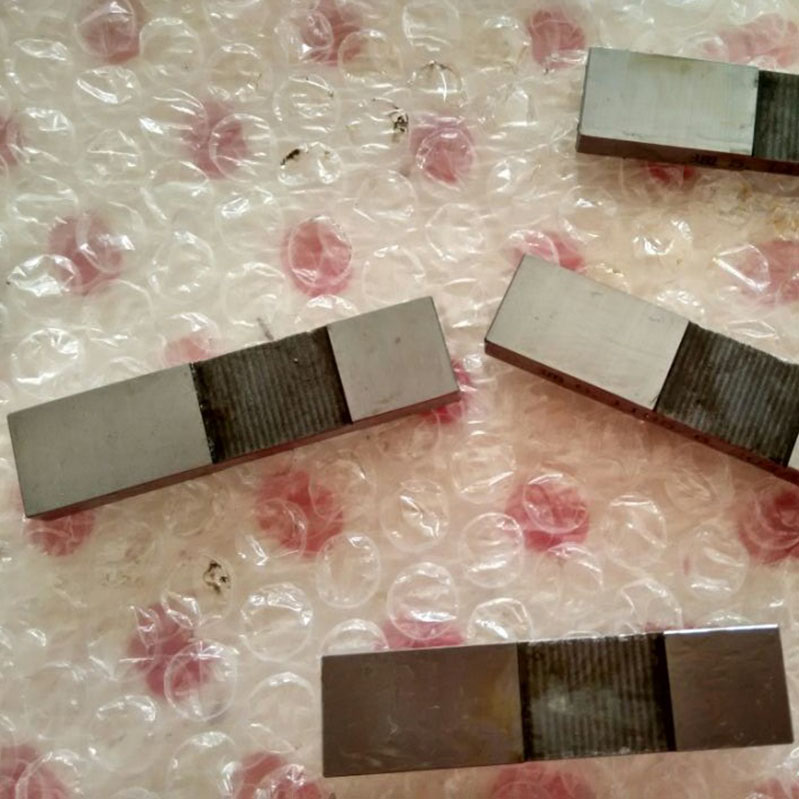
The Indispensable Role of Precision Right Angle Rulers in Industrial Metrology In the realm of precision engineering and manufacturing, the integrity of angular measurements is paramount. A high-quality right angle ruler serves as a foundational tool for ensuring geometric accuracy, whether in large-scale structural fabrication or intricate component assembly. This article delves into the critical aspects of metal right angle rulers, covering their manufacturing, technical specifications, diverse applications, and the competitive advantages offered by specialized vendors like STR Machinery. Designed for B2B decision-makers and technical professionals, this overview emphasizes the strategic importance of investing in reliable metrology instruments for operational excellence and quality assurance. Industry Trends and the Evolution of Precision Measurement The modern industrial landscape is characterized by an unyielding demand for higher precision, tighter tolerances, and increased automation. This trend directly impacts the evolution of measurement tools, including the right angle ruler . Traditional measuring squares, while foundational, are giving way to advanced designs and materials that offer superior accuracy and longevity. The rise of Industry 4.0 and smart manufacturing necessitates metrology tools that not only provide static measurements but also integrate seamlessly into quality control processes, contributing to data-driven decision-making. Emerging trends include: Enhanced Material Science: Adoption of specialized alloys (e.g., hardened stainless steel, tool steel) for improved wear resistance, thermal stability, and corrosion resistance, crucial for a reliable right angle metal ruler . Digital Integration: While a physical ruler, the trend towards digital readout and data logging in companion instruments influences the overall metrology ecosystem, demanding perfect physical references. Ergonomic and Modular Designs: Tools are becoming more user-friendly, with designs that reduce fatigue and allow for versatile applications, especially for a large right angle ruler used in diverse settings. Global Standardization: Increased adherence to international standards (ISO, DIN, ANSI) for manufacturing and calibration, ensuring interoperability and consistent quality worldwide. These trends underscore the necessity for precision instruments like the right angle ruler tool to evolve continually, supporting industries ranging from aerospace to energy with unwavering accuracy. Manufacturing Process of Metal Right Angle Rulers: A Detailed Overview The creation of a high-precision metal right angle ruler is a meticulous process demanding stringent quality control at every stage. Here’s a typical manufacturing flow: Material Selection and Preparation: High-grade materials such as hardened stainless steel (e.g., SUS420J2, SUS304) or alloy tool steel (e.g., CrV) are chosen for their stability, hardness, and corrosion resistance. For applications requiring extreme precision and stability, specific grades of cast iron (e.g., Grade 200, Grade 250) might be used for the base of a large right angle ruler . Raw materials undergo initial inspection for defects and chemical composition. Rough Machining (Casting/Forging & Milling): Depending on the design and size, the initial shape is achieved through precision casting (for complex geometries or very large squares) or forging (for enhanced material grain structure and strength). Subsequent CNC machining roughs out the general dimensions, including the blade and stock, ensuring material removal with minimal stress. This stage aims for close-to-net shape while leaving sufficient material for subsequent finishing. Heat Treatment: For steel rulers, heat treatment processes such as hardening and tempering are critical. This enhances the material's hardness, wear resistance, and dimensional stability, ensuring the ruler maintains its accuracy over an extended service life. Stress relieving might also be performed to minimize internal stresses that could lead to deformation. Precision Grinding and Lapping: This is the most critical stage for achieving the required flatness, straightness, and perpendicularity. Surfaces are precision-ground using specialized grinding machines, followed by lapping. Lapping is an abrasive machining process that uses free abrasives to create extremely flat and smooth surfaces, crucial for the contact edges of the right angle ruler tool . This ensures the 90-degree angle is virtually perfect. Calibration and Inspection: Each ruler undergoes rigorous calibration in a temperature-controlled environment. This involves using master squares, autocollimators, and coordinate measuring machines (CMMs) to verify the perpendicularity and flatness. Testing standards typically adhere to international norms such as ISO 2768 (General Tolerances), ANSI B89.3.1 (Perpendicularity), and DIN 875 (Straightness and Flatness). Rulers are often categorized into accuracy grades (e.g., Grade 00, 0, 1, 2) based on these tests. Finishing and Marking: Surfaces may be satin-chromed or polished for enhanced corrosion resistance and glare reduction. Precision scales (mm/inches) are laser-etched or finely scribed onto the ruler for clear, permanent markings. This ensures the readability and longevity of the measurements. Target industries for these high-precision tools include petrochemical, metallurgy, water supply & drainage, aerospace, automotive, and general manufacturing. Advantages include energy saving through reduced rework (due to higher initial precision) and superior corrosion resistance, particularly when utilizing stainless steel for the right angle metal ruler , minimizing maintenance and replacement costs. Technical Specifications and Parameters of Metal Right Angle Rulers Understanding the technical specifications of a right angle ruler is crucial for selecting the appropriate tool for specific industrial applications. Key parameters define its precision, durability, and suitability for various environments. Typical Product Specification Table: Metal Right Angle Ruler (STR Machinery Standard Model) Parameter Specification (Typical Range) Notes Material Hardened Stainless Steel (SUS420J2, SUS304) or Tool Steel Corrosion resistance, high wear resistance. Available Sizes (Blade Length) 100mm, 150mm, 200mm, 300mm, 500mm, 1000mm Custom sizes available for large right angle ruler applications. Blade Width 20mm - 60mm Varies with length, ensuring rigidity. Blade Thickness 2mm - 10mm Impacts durability and resistance to bending. Angle Accuracy (Perpendicularity) Grade 00 (0.005mm/100mm), Grade 0 (0.01mm/100mm) Measured deviation from true 90 degrees over specific length. Flatness Tolerance 0.003mm/100mm Critical for precise contact with workpieces. Surface Finish Precision Ground, Lapped, Satin Chrome Finish Reduces glare, enhances readability, provides corrosion protection. Hardness (Rockwell C) 58-62 HRC (for hardened models) Indicates resistance to scratching and deformation. Standards Compliance DIN 875/I, ISO, JIS B 7526, ANSI B89.3.1 Ensures quality and compatibility for the right angle ruler tool . These specifications underscore the meticulous engineering behind a high-quality metal right angle ruler , distinguishing it from general-purpose tools and making it an essential asset for demanding professional applications. Diverse Application Scenarios of the Right Angle Ruler The utility of a precision right angle ruler spans across an impressive array of industrial and technical fields. Its primary function is to verify and ensure the squareness of components, assemblies, and layouts, directly impacting product quality and operational efficiency. Below are typical application scenarios: Machining and Metal Fabrication: Essential for setting up milling machines, lathes, and grinding equipment. Operators use the right angle metal ruler to check the perpendicularity of machined surfaces, ensuring accurate cuts and preventing cumulative errors in complex parts. For instance, verifying the 90-degree angle of a workpiece before drilling or milling operations is critical for final product integrity. Construction and Structural Engineering: In large-scale construction, a large right angle ruler is indispensable for verifying the squareness of foundations, wall alignments, and beam installations. This ensures structural stability and adherence to architectural blueprints. Precise corner checks prevent costly rework and ensure building safety and longevity. Woodworking and Cabinetry: Woodworkers rely heavily on the right angle ruler tool for accurate layout, marking cut lines, and assembling joinery. Ensuring perfect 90-degree cuts and joint alignment is fundamental to crafting furniture, cabinets, and other wooden structures with tight fits and aesthetic appeal. Quality Control and Metrology Labs: Within quality assurance departments and dedicated metrology labs, the right angle ruler serves as a primary reference standard for inspecting manufactured components. It is used to calibrate other tools, verify gauge blocks, and perform final dimensional checks on critical parts, upholding ISO quality standards. Welding and Assembly: During welding processes, ensuring components are square before tacking and final welding prevents distortion and stress. Assemblers use the ruler to confirm correct alignment of parts, especially in intricate assemblies where cumulative angular errors can lead to significant functional issues. Textile and Apparel Manufacturing: In pattern making and cutting, a specialized right angle ruler for sewing is crucial. It ensures fabric pieces are cut perfectly square, which is vital for garment fit, symmetry, and overall quality, preventing puckering or misalignment in finished products. Across these diverse applications, the precision offered by a high-grade right angle ruler translates directly into reduced material waste, minimized rework, accelerated project timelines, and ultimately, superior product quality and customer satisfaction. It is a testament to the fact that foundational tools remain critical even in the most advanced industrial environments. Technical Advantages of STR Machinery Metal Right Angle Rulers STR Machinery is committed to delivering metrology tools that meet the highest standards of precision, durability, and reliability. Our metal right angle ruler series embodies several technical advantages that set it apart in demanding B2B environments: Unparalleled Precision and Accuracy: Our rulers are manufactured using advanced CNC grinding and lapping techniques, achieving perpendicularity tolerances down to Grade 00 (0.005mm/100mm). This exceptional accuracy minimizes measurement errors, ensuring components meet the strictest design specifications. Superior Material Quality and Durability: Constructed from hardened stainless steel or select tool steel, our right angle metal ruler undergoes specific heat treatment processes (e.g., tempering to 58-62 HRC). This results in extraordinary wear resistance, preventing edge deformation and maintaining accuracy over extended periods of heavy industrial use. Enhanced Corrosion Resistance: The use of high-grade stainless steel and precision surface treatments (e.g., satin chrome finish) provides superior resistance to rust, oxidation, and chemical exposure. This is particularly vital in harsh industrial environments such as petrochemical plants or facilities with exposure to coolants and lubricants. Dimensional Stability: Through meticulous manufacturing processes and material selection, our rulers exhibit excellent dimensional stability, minimizing expansion or contraction due to temperature fluctuations within typical operating ranges. This ensures consistent measurement reliability. Compliance with International Standards: Each STR Machinery right angle ruler tool is rigorously tested and certified to meet or exceed international metrology standards such as DIN 875/I, ISO, and ANSI. This guarantees global compatibility and trust in our products' performance. Optimized Ergonomics and Readability: Designed for professional use, our rulers feature clear, crisp laser-etched markings that resist fading, ensuring easy and accurate readings. The balanced design, particularly for a large right angle ruler , enhances handling and reduces user fatigue during prolonged inspection tasks. Long-term Cost-Effectiveness: While an initial investment, the superior durability, precision, and extended service life of STR Machinery rulers lead to significant long-term savings by reducing the need for frequent replacements, minimizing production errors, and improving overall operational efficiency. These advantages collectively position STR Machinery's metal right angle rulers as a preferred choice for industries where uncompromising precision and reliability are non-negotiable. Vendor Comparison: STR Machinery vs. General Market Offerings Choosing the right vendor for precision metrology tools is critical. While many suppliers offer a right angle ruler , discerning the differences in quality, performance, and support is paramount for B2B procurement. This comparison highlights key distinctions between STR Machinery's offerings and typical general market alternatives. Product Comparison Table: STR Machinery vs. General Market Right Angle Rulers Feature STR Machinery Metal Right Angle Ruler General Market Right Angle Ruler Accuracy Grade (Perpendicularity) Typically Grade 00 or 0 (0.005-0.01mm/100mm) Often Grade 1 or 2 (0.02-0.04mm/100mm) or unstated. Material Quality Hardened Stainless Steel (SUS420J2) or Tool Steel, heat-treated Standard carbon steel, unhardened, or lower grade stainless steel. Manufacturing Process Precision CNC grinding, lapping, advanced stress relieving Standard grinding, potentially stamped, less rigorous finishing. Surface Finish Satin chrome finish, ground and polished edges Bare metal, sometimes painted, rougher edges, prone to glare. Standards & Certification Complies with DIN 875/I, ISO, traceable calibration certificates May not meet specific international standards; limited or no calibration data. Corrosion Resistance Excellent, suitable for humid/chemical environments Fair to poor; susceptible to rust without proper care. Customization Options Extensive (dimensions, materials, markings, specific accuracy) Limited to standard off-the-shelf sizes. Service Life & Warranty Longer service life, comprehensive warranty support Shorter life expectancy, basic or no warranty. The clear differentiators highlight that while a general-purpose right angle ruler tool might suffice for less critical tasks, industries requiring absolute precision and reliability will find STR Machinery's specialized offerings to be a more cost-effective and performance-driven solution in the long run. Our commitment to expertise, quality, and rigorous testing ensures that every right angle ruler delivered meets the exacting demands of modern industrial applications. Customized Solutions for Specialized Measurement Needs Recognizing that standard off-the-shelf tools may not always fulfill unique industrial requirements, STR Machinery offers comprehensive customized solutions for our metal right angle ruler product line. Our engineering team collaborates closely with clients to develop tailored metrology instruments that address specific challenges and integrate seamlessly into their specialized workflows. Customization options for a right angle metal ruler include, but are not limited to: Specific Dimensions and Geometry: From exceptionally small squares for micro-assembly to extra-large fabricators' squares for shipbuilding or aerospace structures, we can manufacture a large right angle ruler to custom blade lengths, widths, and thicknesses. We can also adapt specific edge profiles or integrate mounting features. Specialized Materials: For environments with extreme conditions (e.g., high temperatures, aggressive chemicals, or non-magnetic requirements), we can utilize alternative materials such as ceramics, specialized superalloys, or non-ferrous metals to ensure the ruler maintains its integrity and accuracy. Enhanced Accuracy Grades: For ultra-precision applications where standard Grade 00 is insufficient, we can achieve even tighter perpendicularity and flatness tolerances through advanced lapping and calibration techniques, providing master-grade reference standards. Unique Markings and Engravings: Custom scales, dual metric/imperial markings, company logos, serial numbers, or specific reference points can be laser-etched onto the ruler for traceability, branding, or integration into specialized measurement procedures. For a right angle ruler for sewing , specific pattern markings could be integrated. Surface Treatments: Beyond our standard satin chrome, specialized coatings can be applied for enhanced wear resistance, anti-glare properties, or specific chemical inertness required by the application. Our team leverages decades of experience in metrology and precision manufacturing to turn complex requirements into high-performance tools. This consultative approach ensures that clients receive not just a product, but a precise solution perfectly aligned with their operational demands, upholding the strictest quality and performance benchmarks. Application Case Studies: STR Machinery in Action The reliability and precision of STR Machinery's metal right angle ruler have been proven in critical applications across various industries. These case studies highlight real-world scenarios where our tools delivered measurable value. Case Study 1: Precision Alignment in Petrochemical Flange Fabrication Client: A leading international petrochemical engineering firm. Challenge: Ensuring the perfect perpendicularity of large-diameter pipe flanges (up to 1-meter diameter) to the pipe axis during fabrication. Misalignment of even a few arc minutes could lead to critical leaks under high pressure, compromising safety and requiring expensive rework in the field. Solution: STR Machinery provided custom-fabricated large right angle ruler tools, specifically designed for checking flange squareness. These rulers featured extended bases and blade lengths, manufactured to DIN 875/0 accuracy, and treated with an enhanced corrosion-resistant finish to withstand the fabrication environment. Result: The client reported a 40% reduction in flange alignment related defects during pre-assembly and a significant decrease in on-site rework costs. The superior rigidity and verifiable accuracy of our right angle metal ruler directly contributed to meeting stringent quality and safety standards for pressure vessel components. Case Study 2: Quality Assurance in Aerospace Component Manufacturing Client: A global aerospace parts supplier. Challenge: Verifying the squareness of milled features on complex aircraft structural components. Tolerances were exceptionally tight, often ±0.015mm over a 100mm span. Traditional shop squares were introducing unacceptable variability. Solution: STR Machinery supplied a series of hardened tool steel right angle ruler tool units, certified to Grade 00 accuracy. Each ruler came with individual calibration certificates, traceable to national standards. The rulers were chosen for their superior flatness and parallelism, crucial for accurate surface contact. Result: The introduction of STR Machinery's precision rulers led to a measurable improvement in first-pass yield for critical components by 15%. Operators gained greater confidence in their measurements, and inspection times for squareness checks were optimized due to the tools' reliability. The data from these rulers also fed directly into statistical process control, enhancing overall manufacturing consistency. Commitment to : FAQ, Lead Time, Warranty, and Support At STR Machinery, our commitment extends beyond delivering superior products. We uphold the highest standards of Expertise, Experience, Authoritativeness, and Trustworthiness () through transparent processes and robust customer support. Frequently Asked Questions (FAQ) about the Right Angle Ruler Q1: What is the primary difference between a Grade 00 and a Grade 1 right angle ruler ? A1: Grade 00 indicates ultra-high precision, with perpendicularity tolerances typically around 0.005mm per 100mm, suitable for master calibration and aerospace applications. Grade 1 offers good industrial precision (approx. 0.02mm per 100mm) for general machining and fabrication, still well within professional requirements but with a slightly larger tolerance. Q2: How should I care for my metal right angle ruler to maintain its accuracy? A2: Always handle with care to avoid dropping or impacts. Clean surfaces regularly with a lint-free cloth and a non-corrosive cleaner. For long-term storage, apply a thin layer of rust-preventative oil, especially if it's a right angle metal ruler not made of stainless steel. Store in its protective case, away from extreme temperatures and humidity. Q3: Can STR Machinery provide calibration certificates for its rulers? A3: Yes, all STR Machinery precision right angle ruler tool products can be supplied with traceable calibration certificates, detailing their measured accuracy against international standards. This ensures compliance for quality management systems like ISO 9001. Lead Time and Fulfillment For standard metal right angle ruler sizes and grades, typical lead times are 2-4 weeks from order confirmation, depending on stock availability and order volume. Custom orders or specific high-precision requirements may extend lead times to 6-10 weeks to accommodate specialized manufacturing and calibration processes. We maintain transparent communication throughout the fulfillment process, providing regular updates. Warranty Commitments STR Machinery offers a standard 12-month warranty on all metal right angle ruler products, covering manufacturing defects and material failures under normal operating conditions. This warranty underscores our confidence in the quality and durability of our metrology instruments. Detailed warranty terms are provided with each purchase. Customer Support Our dedicated technical support team is available to assist with product selection, technical inquiries, and after-sales service. Support is available via phone (+86-123-4567-890), email (support@strmachinery.com), and our online portal during business hours (Monday-Friday, 8:00 AM - 5:00 PM GMT+8). We are committed to providing prompt and knowledgeable assistance to ensure maximum satisfaction and optimal performance from your STR Machinery right angle ruler . Conclusion The metal right angle ruler , far from being a simple measuring device, is a critical precision instrument foundational to quality assurance and operational efficiency across numerous industrial sectors. From meticulous manufacturing processes and adherence to stringent international standards to versatile application scenarios and dedicated customer support, the choice of a high-quality right angle ruler tool directly impacts a company's ability to maintain precision, reduce waste, and uphold product integrity. STR Machinery's commitment to delivering technically superior, customizable, and reliable right angle rulers positions us as a trusted partner for B2B enterprises seeking to elevate their metrology capabilities and achieve unparalleled accuracy in their operations. References International Organization for Standardization. ISO 2768-1:1989. General tolerances—Part 1: Tolerances for linear and angular dimensions without individual tolerance indications. Deutsches Institut für Normung. DIN 875: Inspection of straightness and flatness. American Society of Mechanical Engineers. ASME B89.3.1-2019. Measurement of Out-of-Roundness. National Institute of Standards and Technology. Precision Measurement and Calibration. NIST Special Publication 608. "The Art of Measurement: The History of Industrial Metrology." Metrology Journal. Vol. 15, No. 3, 2022.
about
frosted glass divider
The Importance of Rebar End Caps for Safety in Construction Rebar end caps are an often-overlooked yet essential component in the realm of construction safety. They play a pivotal role in ensuring the integrity and stability of reinforced concrete structures while safeguarding workers from potential hazards. Rebar, short for reinforcing bar, is a steel bar or mesh used to reinforce concrete and masonry structures. It adds tensile strength to the concrete, which is inherently weak in tension. However, the exposed ends of rebar can pose serious safety risks on construction sites. Sharp edges can lead to cuts and puncture wounds, and they can also become tripping or entanglement hazards, especially in a busy, high-traffic environment. End caps are specifically designed to cover these exposed ends, mitigating these risks. Made from materials like plastic or rubber, they fit snugly over the bar ends, dulling the sharp edges and providing a barrier against accidental contact. They not only protect workers from injury but also prevent rust formation on the rebar, thereby preserving its structural integrity. Moreover, rebar end caps contribute to workplace compliance with safety regulations. In many jurisdictions, it is mandatory to use end caps on all protruding rebar to ensure a safe working environment In many jurisdictions, it is mandatory to use end caps on all protruding rebar to ensure a safe working environment In many jurisdictions, it is mandatory to use end caps on all protruding rebar to ensure a safe working environment In many jurisdictions, it is mandatory to use end caps on all protruding rebar to ensure a safe working environment rebar end caps safety . Non-compliance can result in hefty fines, legal liabilities, and more importantly, endanger lives. Beyond safety, rebar end caps also serve a functional purpose. They prevent debris from entering and accumulating around the rebar, which could weaken the bond between the rebar and the concrete. This is particularly crucial during the casting process, as any obstruction could compromise the structural soundness of the final product. In conclusion, rebar end caps are not just a simple accessory; they are a vital element of construction safety. Their use underscores a commitment to worker welfare and adherence to industry standards. It is therefore imperative that every construction site recognizes their importance and implements their use diligently. By doing so, we not only ensure the physical well-being of our workforce but also uphold the durability and resilience of the structures we build. Remember, safety doesn't take a holiday, and neither should our attention to detail when it comes to rebar end caps.
-

High quality industrial productsagement

High quality industrial products
View Details -

Meet the diverse needs of customers

Meet the diverse needs of customers
View Details -

Strict quality control

Strict quality control
View Details -

Top raw materials

Top raw materials
View Details -

Trusted supplier

Trusted supplier
View Details
Our application

news and information

What Is the Difference Between Y Type Strainer and Basket Type Strainer_
In fluid systems, strainers play a crucial role in ensuring the cleanliness and efficiency of the pr
Valvola a sfera da 150 mm - Alta qualità e prestazioni
Valvola a Vite da 150mm Un Eccellente Strumento per il Controllo del Flusso La valvola a vite da 150
Wholesale Options for High-Quality Butterfly Valves at Competitive Prices
The Rise of Butterfly Valve Wholesale A Comprehensive Overview In the realm of industrial applicatio
 English